Renewable Energy
What Is the Boiler Upgrade Scheme?
The UK government’s Boiler Upgrade Scheme offers homeowners a £7,500 grant to help replace gas or oil boilers with a low-carbon heat pump. With energy bills still a major concern for many households, it’s one of the most significant incentives currently available to make the switch to cleaner heating.
If you’ve come across the scheme but aren’t quite sure how it works in practice, here’s a clear and realistic guide.
What does the grant cover?
The £7,500 grant is designed to support the installation of heat pumps, most commonly air source systems, although ground source heat pumps can also qualify.
One of the more convenient aspects of the scheme is how the money is handled. You don’t need to apply for the grant yourself or wait to be reimbursed. Instead, your installer applies on your behalf and the grant is deducted directly from the total cost.
In simple terms, the price you’re quoted is already reduced, so you only pay the difference.
Who is eligible?
The scheme is available to homeowners and landlords in England and Wales. To qualify, you’ll need to own the property and have a valid Energy Performance Certificate (EPC).
Your EPC must not show any outstanding recommendations for loft or cavity wall insulation. This requirement exists because heat pumps rely on homes being reasonably well insulated to perform efficiently.
The scheme is currently set to run until 2028, although funding is allocated each year, so availability may vary over time.
How heat pumps actually work
Heat pumps work differently from traditional boilers. Rather than generating heat by burning fuel, they extract heat from the outside air and transfer it into your home.
Even in cold weather, there is still heat energy in the air. A heat pump captures this energy, compresses it to increase the temperature, and then uses it to heat your radiators and hot water.
Because of this, heat pumps can be highly efficient, often producing several units of heat for every unit of electricity used.
Is a heat pump right for your home?
Heat pumps don’t behave like gas boilers. Instead of short bursts of high heat, they tend to run at lower temperatures for longer periods, maintaining a steady and consistent warmth.
This is where insulation becomes crucial. A well-insulated home keeps that steady heat inside, allowing the system to run efficiently without working harder than it needs to.
In some cases, larger radiators or minor system upgrades may be required to get the best performance. A proper installation should always begin with a heat loss assessment to determine exactly what your home needs.
If that step is skipped, it’s usually a sign to proceed with caution.
What might it cost after the grant?
Costs can vary depending on the size of the property and the complexity of the installation, but many air source heat pump systems fall somewhere between £9,000 and £13,000 before the grant is applied.
With the £7,500 Boiler Upgrade Scheme discount, that brings typical costs down significantly.
For example, Octopus Energy reports that most of their heat pump installations fall between £2,500 and £7,500 after the grant, with an average net cost of around £4,459. Smaller or simpler properties may come in lower, while more complex homes may sit toward the higher end of that range.
Will it reduce your energy bills?
Whether a heat pump will save you money depends on your current heating system and how efficient your home is.
Homes currently using oil, LPG, or electric heating often see the biggest potential savings. For properties on mains gas, the financial benefit can be smaller, but there are still advantages in terms of stability and reduced exposure to future gas price increases.
Electricity pricing also plays a role, so being on a competitive tariff can make a noticeable difference over time.
Where to find more information
The scheme is administered by Ofgem, and all applications are handled through MCS-certified installers. These installers will apply for the grant on your behalf and include it in your quote.
To get started, search for the Boiler Upgrade Scheme on the Ofgem website to check the latest eligibility criteria and find approved installers in your area.
Final thoughts
The Boiler Upgrade Scheme is one of the most generous home energy incentives currently available in the UK. For the right property, it can significantly reduce the upfront cost of switching to low-carbon heating.
That said, the success of a heat pump depends heavily on how well the home is prepared for it. Good insulation and a properly designed system make all the difference.
If you’re considering making the switch, it’s often worth focusing on insulation first. Once that foundation is in place, a heat pump becomes a much more effective and future-proof option.
Is Solar Worth It in the North of England?
The short answer is yes. Here is why the maths still works even without southern sunshine.
Does it work in the North East?
Solar panels generate from daylight, not direct sun. Clouds do not stop them working, they just reduce output slightly. A 4kWp system in County Durham will still produce enough to cover around 50 to 60 percent of a typical household’s electricity needs across the year.
The South East of England gets around 1,100 to 1,200 kWh of generation per kWp installed annually. The North East gets around 850 to 950 kWh. That difference matters less than most people think when electricity costs 24.5p per kWh and rising.
What does a typical system cost?
A 4kWp solar panel system costs between £6,000 and £9,000 installed in 2026, depending on the installer, the panels chosen, and the complexity of your roof. Prices have fallen significantly over the past decade and continue to do so.
There is no VAT on solar panel installations for domestic properties in the UK, which helps keep costs down.
How does the payback work?
Your savings come from two places. First, the electricity you generate and use yourself, which replaces electricity you would otherwise buy from the grid at 24.67p per kWh*. Second, any surplus electricity you export to the grid under the Smart Export Guarantee.
The Smart Export Guarantee (SEG) means your energy supplier pays you for every unit you send back to the grid. Rates vary by supplier, so it is worth comparing SEG rates as part of your decision. Some suppliers currently offer between 4p and 15p per kWh exported.
With current electricity prices, most North East households see a full payback in 7 to 10 years on panels that are warranted to last 25 years and typically perform well beyond that.
What about the North East weather?
It is worth being honest here. The North East does get more cloud cover than the South and generates less per panel over the year. But with electricity prices at current levels and forecast to rise further, the financial case still works.
The calculation has also shifted significantly since energy prices rose in 2022. At the old price of around 15p per kWh, payback periods were longer. At 24.67p* and rising, the maths looks considerably better.
Should you add a battery?
A battery storage system lets you store the electricity you generate during the day and use it in the evening rather than exporting it at a lower SEG rate. Given that most households use more electricity in the mornings and evenings than during the day when panels are generating, a battery can significantly increase the percentage of your own generation you actually use.
A home battery currently costs between £3,000 and £4,000* for a 5 kWh system, and £4,000 to £7,000* for a 10 kWh system. It adds to the upfront cost but improves the economics by reducing how much you export at low SEG rates and buy back at high unit rates.
If you are on Agile Octopus, a battery also lets you charge from the grid during plunge pricing events and use that stored electricity during expensive peak windows. The combination of solar, battery, and a smart tariff is one of the most powerful setups available to UK homeowners right now.
Is there any financial support?
The main support available is the Boiler Upgrade Scheme for heat pumps rather than solar directly. However, some local councils and energy efficiency schemes offer grants or interest free loans for solar installations. It is worth checking what is available in your area before committing to a quote.
If you have a low income or receive certain benefits, the ECO4 scheme may cover energy efficiency improvements including solar in some circumstances.
Worth knowing
Get at least three quotes from MCS certified installers before committing. MCS certification is important because you need it to access the Smart Export Guarantee payments. Check the MCS website to find certified installers in the North East.
Solar works in County Durham. The numbers are not as dramatic as they would be in Cornwall, but with electricity prices heading upward and panels lasting 25 years, the long term case is solid.
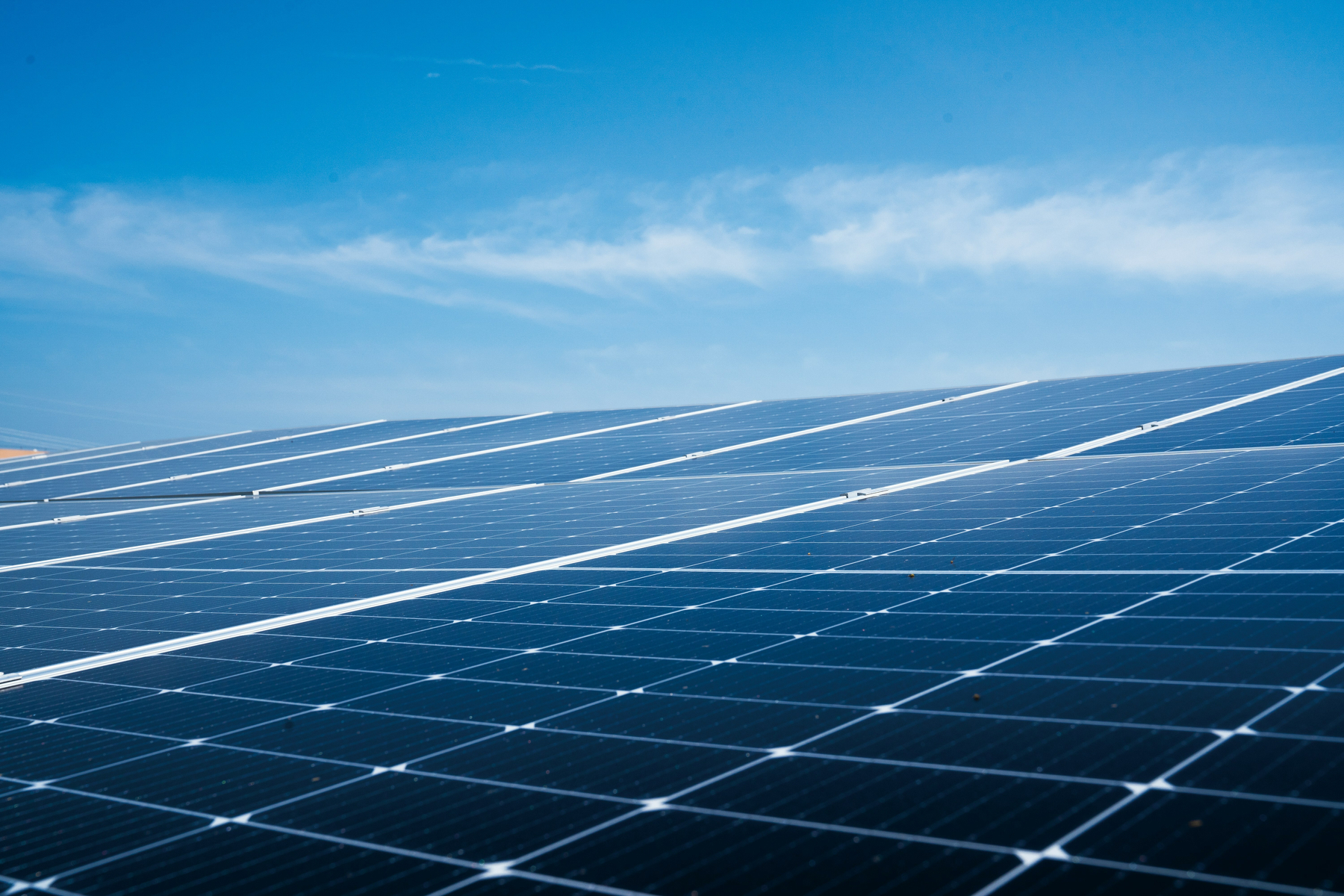
Price per kWh based on April - June 2026 Ofgem Price Cap figure and April 2026 Octopus Solar Estimator for battery costs. Photo by Soren H on Unsplash