Is Solar Worth It in the North of England?
The short answer is yes. Here is why the maths still works even without southern sunshine.
Does it work in the North East?
Solar panels generate from daylight, not direct sun. Clouds do not stop them working, they just reduce output slightly. A 4kWp system in County Durham will still produce enough to cover around 50 to 60 percent of a typical household’s electricity needs across the year.
The South East of England gets around 1,100 to 1,200 kWh of generation per kWp installed annually. The North East gets around 850 to 950 kWh. That difference matters less than most people think when electricity costs 24.5p per kWh and rising.
What does a typical system cost?
A 4kWp solar panel system costs between £6,000 and £9,000 installed in 2026, depending on the installer, the panels chosen, and the complexity of your roof. Prices have fallen significantly over the past decade and continue to do so.
There is no VAT on solar panel installations for domestic properties in the UK, which helps keep costs down.
How does the payback work?
Your savings come from two places. First, the electricity you generate and use yourself, which replaces electricity you would otherwise buy from the grid at 24.67p per kWh*. Second, any surplus electricity you export to the grid under the Smart Export Guarantee.
The Smart Export Guarantee (SEG) means your energy supplier pays you for every unit you send back to the grid. Rates vary by supplier, so it is worth comparing SEG rates as part of your decision. Some suppliers currently offer between 4p and 15p per kWh exported.
With current electricity prices, most North East households see a full payback in 7 to 10 years on panels that are warranted to last 25 years and typically perform well beyond that.
What about the North East weather?
It is worth being honest here. The North East does get more cloud cover than the South and generates less per panel over the year. But with electricity prices at current levels and forecast to rise further, the financial case still works.
The calculation has also shifted significantly since energy prices rose in 2022. At the old price of around 15p per kWh, payback periods were longer. At 24.67p* and rising, the maths looks considerably better.
Should you add a battery?
A battery storage system lets you store the electricity you generate during the day and use it in the evening rather than exporting it at a lower SEG rate. Given that most households use more electricity in the mornings and evenings than during the day when panels are generating, a battery can significantly increase the percentage of your own generation you actually use.
A home battery currently costs between £3,000 and £4,000* for a 5 kWh system, and £4,000 to £7,000* for a 10 kWh system. It adds to the upfront cost but improves the economics by reducing how much you export at low SEG rates and buy back at high unit rates.
If you are on Agile Octopus, a battery also lets you charge from the grid during plunge pricing events and use that stored electricity during expensive peak windows. The combination of solar, battery, and a smart tariff is one of the most powerful setups available to UK homeowners right now.
Is there any financial support?
The main support available is the Boiler Upgrade Scheme for heat pumps rather than solar directly. However, some local councils and energy efficiency schemes offer grants or interest free loans for solar installations. It is worth checking what is available in your area before committing to a quote.
If you have a low income or receive certain benefits, the ECO4 scheme may cover energy efficiency improvements including solar in some circumstances.
Worth knowing
Get at least three quotes from MCS certified installers before committing. MCS certification is important because you need it to access the Smart Export Guarantee payments. Check the MCS website to find certified installers in the North East.
Solar works in County Durham. The numbers are not as dramatic as they would be in Cornwall, but with electricity prices heading upward and panels lasting 25 years, the long term case is solid.
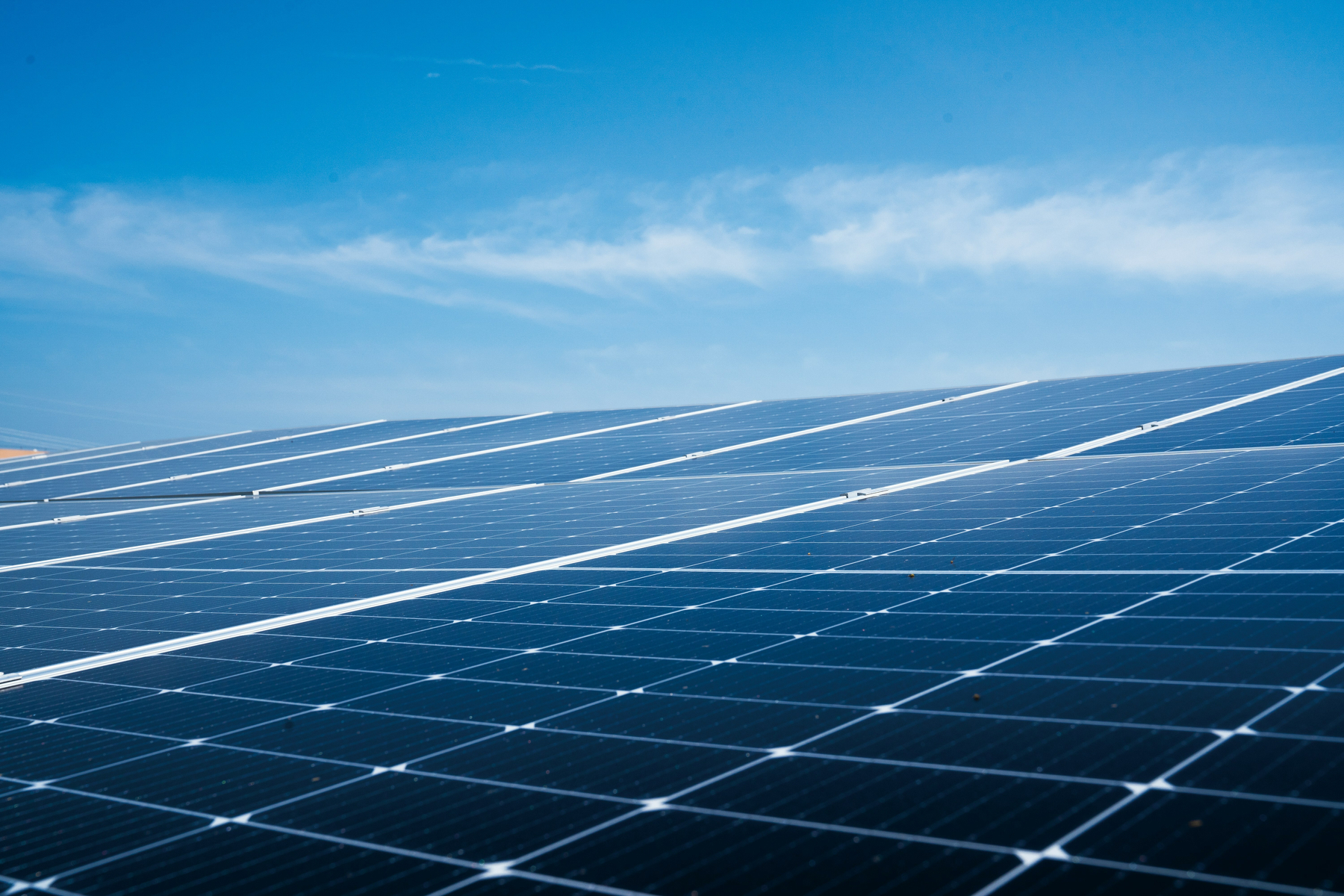
Price per kWh based on April - June 2026 Ofgem Price Cap figure and April 2026 Octopus Solar Estimator for battery costs. Photo by Soren H on Unsplash